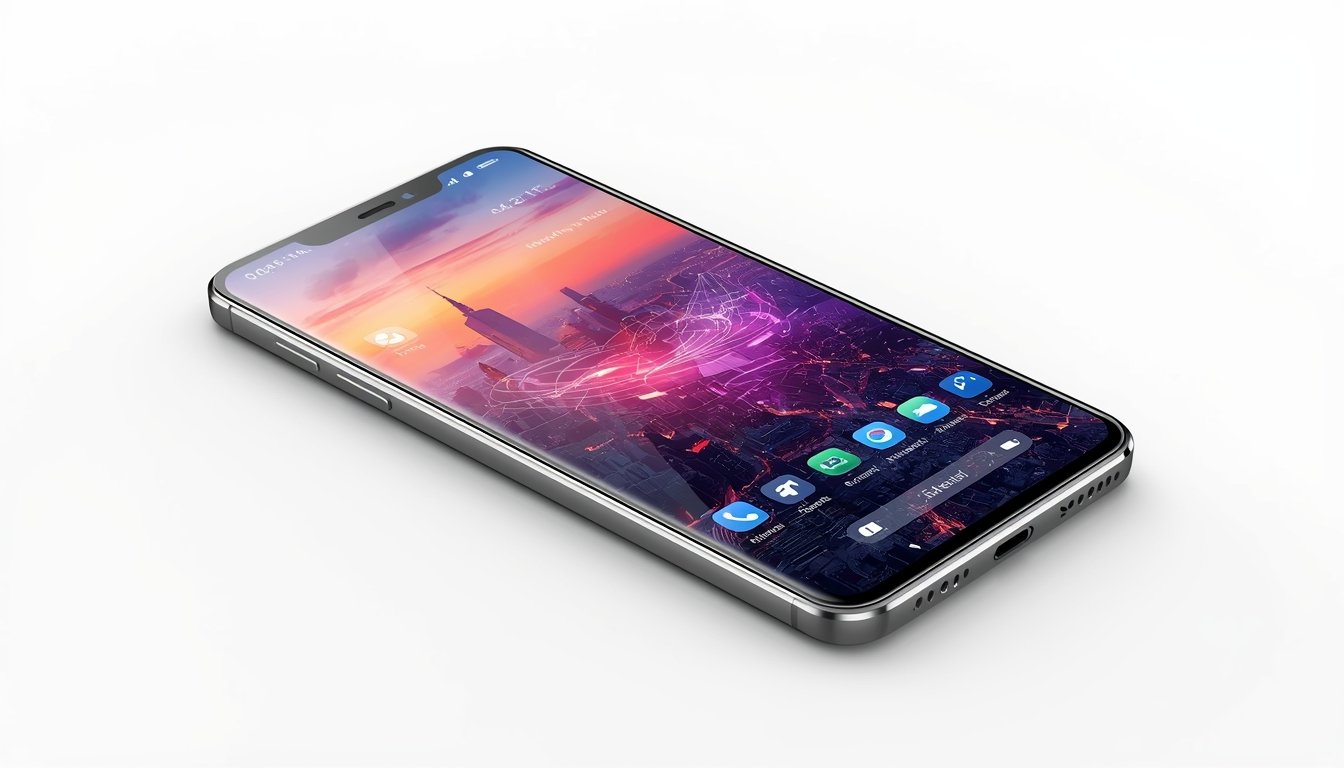
Mobile phone technology has evolved rapidly over the last two decades. From small monochrome displays to large AMOLED screens, innovation has never stopped. One of the most exciting and futuristic developments is mobile phone transparent screen technology. This concept feels like something straight out of a science fiction movie, yet it is slowly becoming a reality.
A transparent screen allows users to see content on their phone while also seeing through the display itself. Instead of a solid black background, parts of the screen remain clear like glass. In this article, we will explain transparent screen technology in simple English, how it works, its advantages, disadvantages, real-world examples, and what the future holds.
This guide is fully original, SEO-optimized, and written for beginners who want to understand this technology in detail.
What Is Mobile Phone Transparent Screen Technology?
Transparent screen technology refers to a type of display that allows light to pass through it, making the screen partially or fully see-through. Unlike traditional LCD or OLED screens, which block light from behind, transparent displays are designed using special materials that transmit light while still showing digital images.
In mobile phones, this means the screen can display apps, videos, and text while allowing users to see objects behind the phone. The result is a futuristic look and a new way of interacting with digital content.
How Does Transparent Screen Technology Work?
Transparent displays work by controlling light at a very advanced level. The most common technologies used are Transparent OLED (TOLED) and Transparent LCD.
Transparent OLED (TOLED)
OLED stands for Organic Light Emitting Diode. In transparent OLED screens:
- Each pixel emits its own light
- No backlight is required
- Transparent materials are used for electrodes
- When pixels are off, light passes through the screen
This makes TOLED the most suitable technology for mobile phones because it is thin, flexible, and energy-efficient.
Transparent LCD
Transparent LCDs use a backlight like normal LCD screens. However:
- The backlight is modified or removed
- A strong external light source is required
- Transparency is limited compared to OLED
Because of these limitations, transparent LCDs are rarely used in smartphones.
Key Components of a Transparent Phone Display
To understand transparent screens better, let’s look at their main components:
1. Transparent Substrate
This is usually made of glass or clear plastic. It supports the display layers and allows light to pass through.
2. Transparent Electrodes
Instead of metal, materials like indium tin oxide (ITO) are used. These materials conduct electricity while remaining transparent.
3. Organic Light Layers
In OLED-based transparent screens, organic compounds emit light when electricity flows through them.
4. Control Circuitry
Advanced microcircuits control which pixels turn on or off, ensuring clear images even on a transparent surface.
Difference Between Transparent Screen and Normal Smartphone Display
| Feature | Normal Display | Transparent Display |
|---|---|---|
| Visibility | Blocks background | See-through screen |
| Technology | LCD / OLED | Transparent OLED |
| Power Efficiency | Medium | High (OLED-based) |
| Thickness | Standard | Ultra-thin |
| Cost | Affordable | Very expensive |
Advantages of Transparent Screen Technology
1. Futuristic Design
Transparent screens look modern and futuristic, making devices visually unique and premium.
2. New User Experience
Users can interact with digital content while seeing the real world behind the phone, opening doors to new UI designs.
3. Better Integration with AR
Transparent displays work well with Augmented Reality (AR) by blending digital elements with real-world views.
4. Energy Efficiency
Transparent OLED screens consume less power because they do not require a backlight.
5. Lighter and Thinner Devices
These screens are extremely thin, helping manufacturers create lightweight phones.
Disadvantages and Limitations
1. High Manufacturing Cost
Transparent screens are expensive to produce, making phones costly for average users.
2. Lower Brightness
Because the screen allows light to pass through, brightness can be lower compared to traditional displays.
3. Visibility Issues
Outdoor use can be challenging due to reflections and background light.
4. Durability Concerns
Transparent materials are more fragile and require extra protection.
5. Limited Content Optimization
Most mobile apps are not designed for transparent displays, which can affect usability.
Real-World Examples of Transparent Screen Technology
1. Transparent OLED Prototypes
Companies like LG and Samsung have showcased transparent OLED displays in tech exhibitions.
2. Xiaomi Transparent TV
Although not a phone, Xiaomi’s transparent OLED TV proves that the technology is commercially possible.
3. Concept Smartphones
Several brands have revealed concept phones with transparent screens, though they are not yet mass-produced.
Use Cases of Transparent Mobile Screens
1. Augmented Reality Applications
Navigation, gaming, and education can benefit from transparent displays.
2. Smart Notifications
Users can see notifications without fully blocking their view.
3. Design and Creative Work
Artists and designers can overlay digital sketches on real objects.
4. Accessibility Features
Transparent screens may improve situational awareness for users.
Transparent Screens vs Foldable Displays
Foldable displays focus on flexibility, while transparent screens focus on visibility. Both technologies aim to redefine smartphone design but serve different purposes. In the future, we may even see phones that combine both features.
Challenges in Mass Adoption
Despite the hype, transparent screen phones face several challenges:
- High cost
- Limited battery optimization
- Software compatibility issues
- Consumer readiness
Manufacturers must solve these problems before launching transparent phones for mainstream users.
Future of Transparent Screen Technology in Mobile Phones
The future of transparent mobile screens looks promising. As manufacturing costs decrease and technology improves, we can expect:
- Commercial transparent smartphones
- Better brightness and color accuracy
- Improved durability
- Integration with AI and AR
Experts believe that transparent displays could become common in the next 5 to 10 years.
Is Transparent Screen Technology Safe?
Yes, transparent screens are safe for daily use. They follow the same safety standards as OLED displays and do not emit harmful radiation. However, long-term durability testing is still ongoing.
SEO FAQs About Mobile Phone Transparent Screen Technology
What is a transparent screen on a mobile phone?
A transparent screen allows users to see digital content while also seeing through the display.
Are transparent screen phones available for purchase?
Currently, most transparent phones are concepts or prototypes, not mass-market products.
Which technology is best for transparent displays?
Transparent OLED (TOLED) is the most suitable and widely used technology.
Will transparent phones replace normal smartphones?
Not completely. They will likely exist alongside traditional phones as premium or niche devices.
Conclusion
Mobile phone transparent screen technology represents the next big step in display innovation. While it is still in its early stages, the potential is huge. From futuristic designs to enhanced AR experiences, transparent screens could change how we use smartphones forever.
Although challenges like cost and usability remain, continuous research and development suggest that transparent screen phones may soon become a reality for everyday users. If you are interested in future smartphone trends, this is a technology worth watching closely.